- By Jaimish
- Blog
- 5–6 minutes
Why Is Silver Jewellery Getting More Expensive in 2026?
Silver prices have hit record levels in 2025 and 2026 — and it's not your imagination if jewellery costs more than it used to. From industrial demand in solar and EVs to supply shortages and safe-haven buying, here's what's really driving the rise, plus how to tell real 925 sterling silver from plated imitations before you buy.
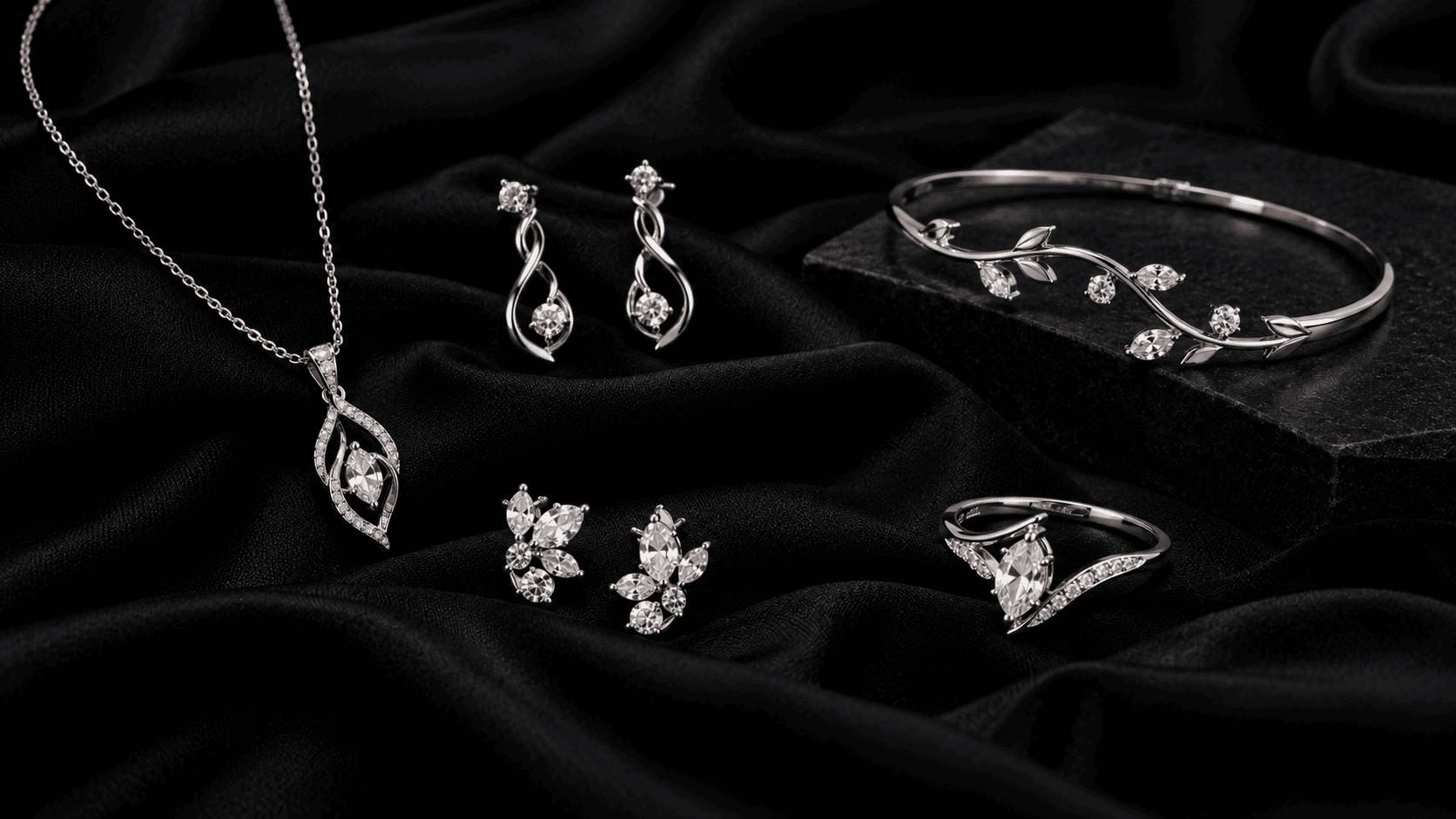
If you have shopped for silver jewellery recently, you have probably noticed prices creeping up. It is not your imagination. Silver has reached record price levels in 2025 and 2026, and that affects every piece made from it. Here is what is behind the rise, and how to buy silver jewellery wisely right now.
Why are silver prices rising?
Silver is both a precious metal and an industrial one. That double role is the main reason its price has climbed so sharply.
1. Industrial demand
Silver is the most electrically conductive metal on Earth. It is used in solar panels, electric vehicles, electronics and the data centres that power AI. As these industries grow, they use more and more silver.
2. Limited supply
Most silver is mined as a by-product of copper, zinc and lead mining, so production cannot quickly increase when demand rises. The market has recorded several consecutive years of supply deficit.
3. Safe-haven buying
In uncertain times, people turn to precious metals. Global economic and political tensions have pushed more buyers towards silver alongside gold.
How much has silver gone up?
In India, silver traded at around ₹3.2 lakh per kilogram in January 2026, according to Motilal Oswal. Prices move daily, so check the current silver rate before you buy.
What this means for silver jewellery prices
The price of a silver piece reflects two things: the metal itself and the work that goes into it — design, casting, stone setting and hand finishing. When the metal price rises, the final price of jewellery rises too, especially for heavier pieces like cuffs and chunky chains.
Pure silver, sterling silver and silver-plated: know the difference
When prices rise, it becomes even more important to know what you are paying for.
- Fine silver (999) is 99.9% pure. It is too soft for most jewellery and bends easily.
- 925 sterling silver is 92.5% pure silver with 7.5% alloy, usually copper, for strength. This is the standard for quality silver jewellery.
- Silver-plated jewellery has only a thin silver coating over a cheaper base metal. It can look similar when new but wears through over time.
- German silver or nickel silver contains no silver at all, despite the name.
As silver prices climb, the gap between real sterling silver and plated or imitation pieces grows. That makes checking the 925 stamp and buying from a trusted seller more important than ever.
Silver vs gold: is the price gap closing?
Gold has also risen strongly, so silver jewellery remains much more affordable than gold jewellery of a similar size. For bold, chunky designs — the biggest look of 2026 — silver lets you wear real precious metal Silverat a fraction of the cost of gold.
Is silver jewellery still worth buying?
For wearing, yes. Silver remains far more affordable than gold, and it is one of the biggest fashion trends of 2026. A well-made 925 sterling silver piece can be worn for years. Buy it because you love it and will wear it; this post is about jewellery, not investment advice.
Quick checks for real silver
Higher prices can tempt some sellers to pass off plated or imitation pieces as solid silver. A few simple checks help:
- Look for a 925 stamp, usually inside a ring band or near a clasp.
- Try a magnet: real silver is not magnetic. If the piece sticks strongly, it is not solid silver.
- Watch the colour: real silver can darken slightly over time, while plated pieces often show a different metal underneath as they wear.
- Check the invoice: a trusted seller lists purity and weight clearly.
None of these checks replaces a professional test, but together they help you avoid the most common problems.
How to buy silver jewellery wisely
- Check for the 925 stamp — it confirms 92.5% pure silver.
- Ask for the weight of the piece; heavier pieces use more silver.
- Choose timeless designs you will wear often.
- Buy from sellers who state purity, weight and pricing clearly.
- Look for an anti-tarnish finish to keep pieces bright with little care.
Why buy silver from Caratleaf
Every Caratleaf silver piece is certified 925 sterling silver, handcrafted in Surat, India, nickel-free and finished with an anti-tarnish coat. We show prices in your currency and ship insured and tracked across India and worldwide.
FAQ’s
Why is silver so expensive in 2026?
Strong industrial demand (solar, EVs, electronics), limited mine supply and safe-haven buying have pushed silver to record levels.
Will silver jewellery prices go down?
Nobody can predict metal prices reliably. Jewellery prices follow the metal price, so they can move either way.
Is 925 silver real silver?
Yes. 925 sterling silver is 92.5% pure silver with 7.5% alloy added for strength.
Is silver jewellery a good investment?
Jewellery is best bought to wear and enjoy. Making charges mean it is not a pure metal investment; speak to a financial adviser for investment decisions.
Related Articles
6 min read
The old rule — gold or silver, never both — is officially retired. Mixing...
6 min read
Silver has officially stepped out of gold's shadow in 2026. From chunky sculptural cuffs...